
Ionic & Capacitor Apps
Ionic and Capacitor Hybrid App Development Services
Hybrid Android and iOS apps built from your web stack with Ionic and Capacitor — reuse React, Angular or Vue code and ship to both stores.
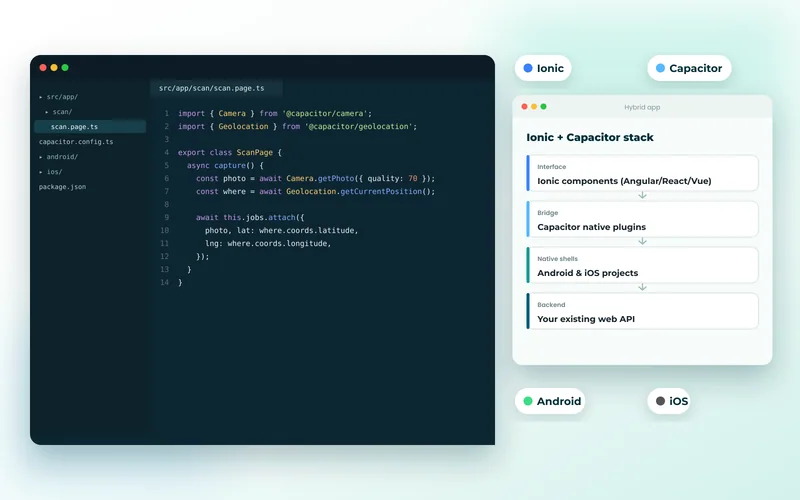
Hybrid Apps: Reuse the Web Code You Already Have
Ionic and Capacitor take a web application — React, Angular or Vue — and package it as a real Android and iOS app with access to native device features through plugins. If you already have a working web product and need it in the app stores without funding a second development stream, this is usually the shortest and cheapest route.
Capacitor is the modern layer: it wraps your web build, exposes camera, geolocation, filesystem, push notifications, biometrics and storage through a consistent API, and lets us drop into native Swift or Kotlin for anything a plugin does not cover. Ionic adds a component library that follows each platform’s look and feel.
We are honest about the trade-off. A hybrid app renders in a web view, so heavily animated or graphics-intensive interfaces feel better in Flutter, React Native or native code. For content, forms, dashboards, bookings, catalogues and internal tools — the majority of business apps — users cannot tell, and you get one codebase for web, Android and iOS.
What’s Included
What We Build with Ionic and Capacitor
Web App to Store App
Packaging your existing React, Angular or Vue application as installable Android and iOS apps.
Native Device Features
Camera, geolocation, biometrics, push notifications, file access, barcode scanning and share sheets via Capacitor plugins.
Offline Storage & Sync
Local databases and cached data so the app keeps working without a connection and reconciles afterwards.
Ionic UI Components
Platform-adaptive navigation, lists, modals and gestures that behave correctly on both Android and iOS.
Custom Native Plugins
Swift or Kotlin plugins written when a required capability is not covered by the existing ecosystem.
Store Submission & Updates
Signing, store listings, privacy declarations, staged rollout and live updates for web-layer changes.
Benefits
Why Hybrid with Ionic and Capacitor?
- One codebase serving web, Android and iOS — the lowest-cost route to the stores.
- Your existing web developers can maintain the app; no new language required.
- Web-layer updates can ship without waiting for an app store review.
- Full access to device features through a well-maintained plugin ecosystem.
- A clear upgrade path: screens that need more can be rebuilt natively later.
Technologies Used for Ionic & Capacitor Apps
We recommend the right tools for your goals, budget and team — never a one-size-fits-all stack.
Discuss Your ProjectHow We Work
Our Ionic & Capacitor Apps Process
Discovery & Consultation
We learn about your business, audience and goals, review any existing website and agree on clear success criteria.
Strategy & Planning
We define the sitemap, features, technology stack and timeline, so scope and budget are clear before work begins.
UI/UX Design
We design wireframes and polished, responsive layouts for your approval, focused on usability and conversions.
Development
We build with clean, standards-based code, integrate your tools and set up an easy-to-use content editor.
Testing & QA
We test functionality, speed, security, accessibility and SEO across browsers and devices before launch.
Launch & Support
We deploy, monitor and fine-tune your site, then provide ongoing maintenance and support as you grow.
FAQ
Ionic & Capacitor Apps FAQs
Will a hybrid app feel slower than a native one?
For typical business apps — forms, lists, dashboards, bookings, content — users do not notice. You will feel the difference in graphics-heavy or highly animated interfaces, and for those we recommend Flutter, React Native or native code instead.
Can we reuse our existing web application?
Usually a large part of it, yes. We review the codebase, adapt navigation and layout for mobile, add the native capabilities you need and package it for both stores.
Ionic or a PWA?
If you do not need app-store presence or deep native features, a progressive web app is cheaper and simpler. Choose Ionic and Capacitor when a store listing, push notifications on all platforms or specific device APIs are required.
Will Apple approve a hybrid app?
Yes, provided it offers genuine app functionality rather than simply loading a website. We make sure the app has native capabilities, offline behaviour and a real mobile interface before submission.
Explore More
More Mobile Apps Services
Technologies and services that work well alongside ionic & capacitor apps.
Mobile App Development
High-performance Android and iPhone apps built with Flutter, Dart, Kotlin and Swift — from idea and UI/UX design to Google Play and App Store launch.
Flutter App Development
Beautiful, fast Flutter apps written in Dart that run natively on Android and iPhone — and on the web — from a single codebase.
React Native App Development
Cross-platform React Native apps in TypeScript — one codebase for Android and iPhone, with native modules, offline support and over-the-air updates.
Android App Development
Native Android apps built in Kotlin with Jetpack Compose — Material 3 design, background work, offline storage and Google Play release management.
Case Studies & Live Demos
Ionic & Capacitor Apps in Practice
Projects where this work made a measurable difference — the problem, what we built and the results. Each one has a working demo you can try.

- Ionic
- Capacitor
- Angular
Hybrid App Development
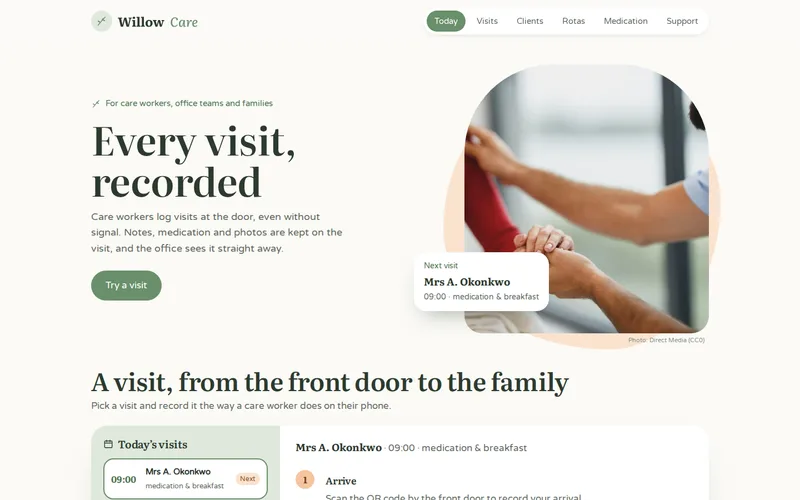
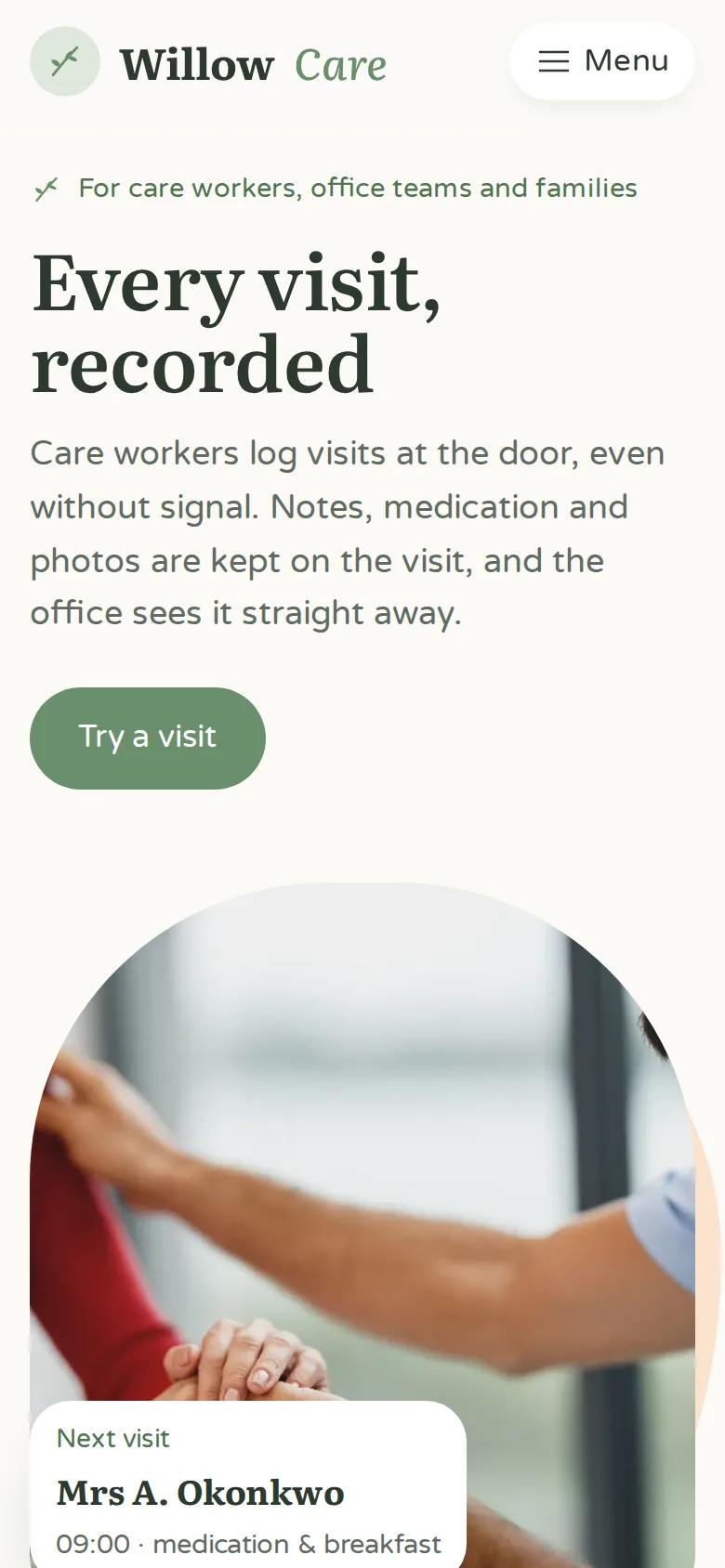
Home Care Visit Logging App
An Ionic and Capacitor app built from the provider’s existing Angular system, in the stores in seven weeks.

- React Native
- TypeScript
- React Navigation
Mobile App Development
Coffee Chain Loyalty & Order-Ahead App
A React Native app for Android and iPhone with stamps, order-ahead and push offers across 34 stores.

- Android
- iOS
- Flutter
Mobile App Development
Gym Training App – Daily Workouts & Morning Check-ins
An Android and iPhone app that schedules each day’s training course and checks in with trainees every morning on the previous day’s session.

- React
- TypeScript
- Node.js
Web Application Development
Freight Dispatch & Driver Tracking Platform
A live dispatch board built in React and Node.js that replaced a spreadsheet-and-phone workflow for 120 drivers.
- Next.js
- React
- TypeScript
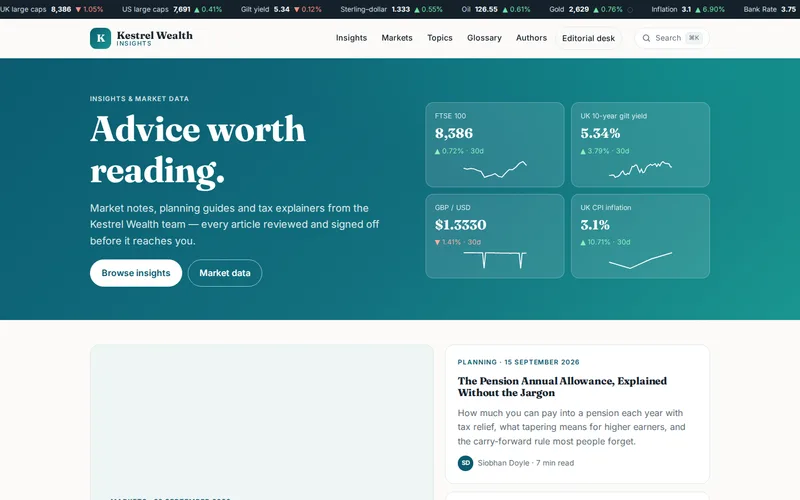
Headless CMS Website
Wealth Management Insights Hub
A Next.js front end over headless WordPress that took a compliance-heavy content library from slow to near-instant.

- Angular
- TypeScript
- RxJS
Enterprise Web Application
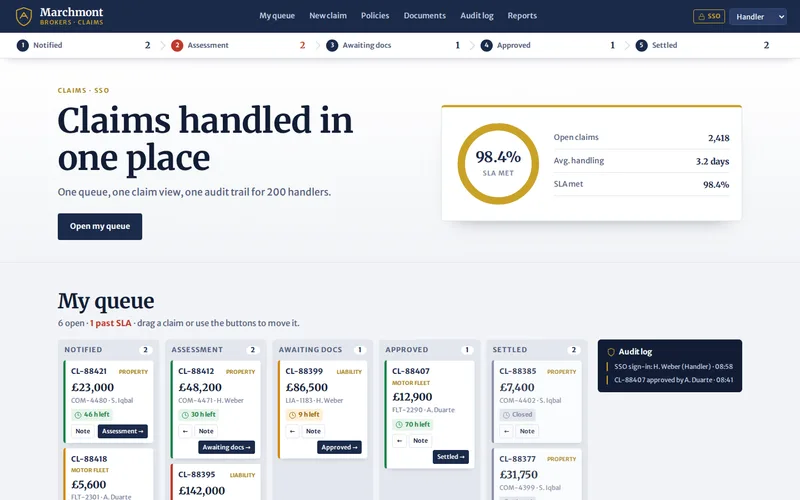
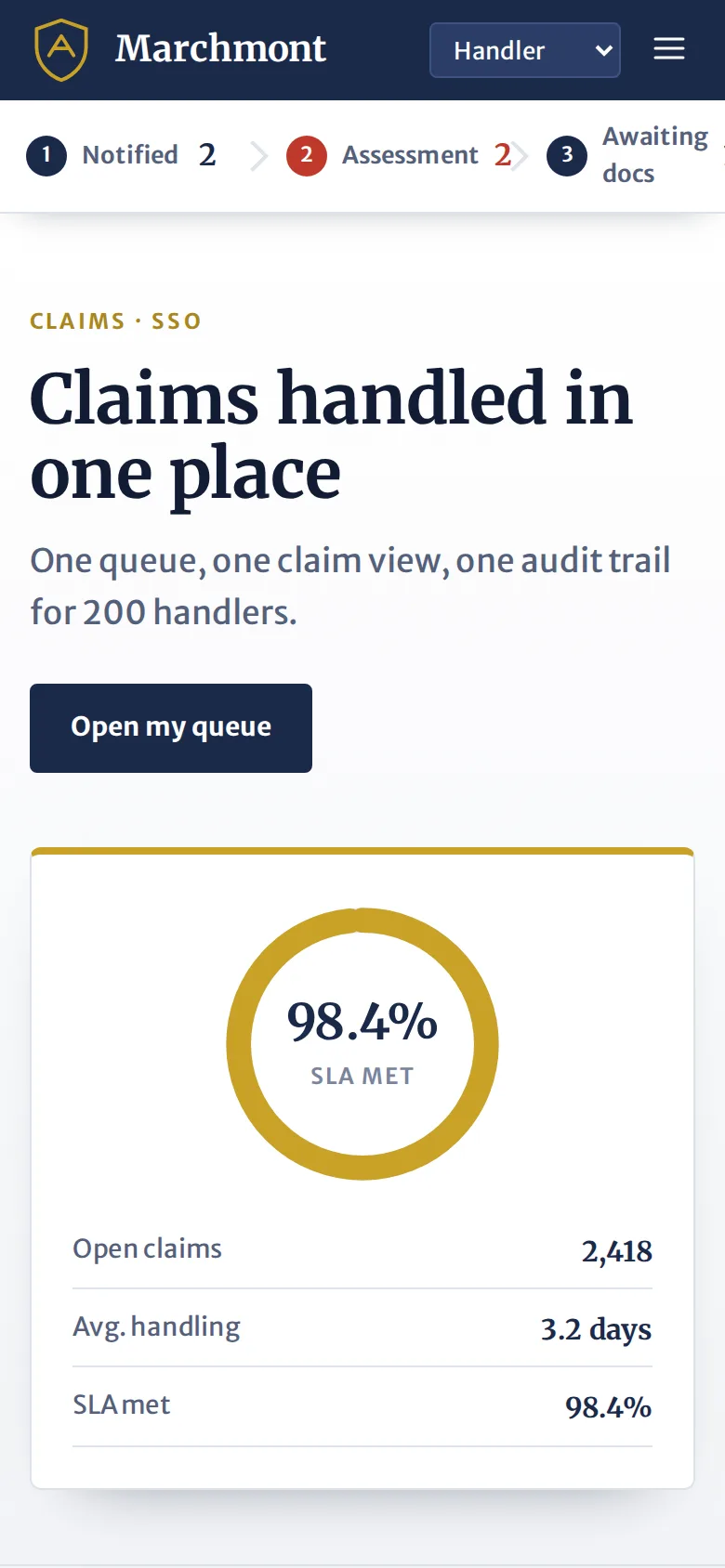
Insurance Claims Administration Portal
An Angular portal that gave 200 claims handlers one screen in place of three legacy systems.


From the Blog
Guides and Comparisons Worth Reading
Straight answers on when this technology is the right choice, what it costs and how to get the most from it.
Ionic and Capacitor: Getting a Web App Into the App Stores
If you already have a web application, Capacitor can wrap it into real iOS and Android apps with native capabilities. Sometimes that is all you need.

PWAs on iPhone: What Installing, Push Notifications and Storage Really Look Like
Progressive web apps do work on iPhone, but iOS is where they carry the most caveats. Here is what installing, web push and offline storage look like on Apple devices, what a web app still cannot do there, and when wrapping the same code with Capacitor is the better route.

Offline-First PWAs: Building Field Apps That Work Without Signal
Inspection crews, carers, drivers and engineers work where the signal does not. A progressive web app that is designed offline-first keeps them working and syncs when it can. Here is how we build one, and when a PWA beats an app store app.
Ionic & Capacitor Apps Enquiry
Tell Us About Your Ionic / Capacitor App
Tell us what web code already exists and which device features you need, so we can judge whether hybrid is the right route.
- Reply within 24 hoursA real person reviews every request.
- Free consultationHonest advice, no obligation.
- 100% confidentialHappy to sign an NDA.
- We review your requirements
- We reply with questions or a call slot
- You receive a clear, itemised proposal