
Docker & Kubernetes
Docker & Kubernetes: Containerisation, Orchestration and Deployment Pipelines
Applications packaged in Docker, deployed with CI/CD, and run on Kubernetes when they need to scale — with monitoring, secrets and rollbacks built in.
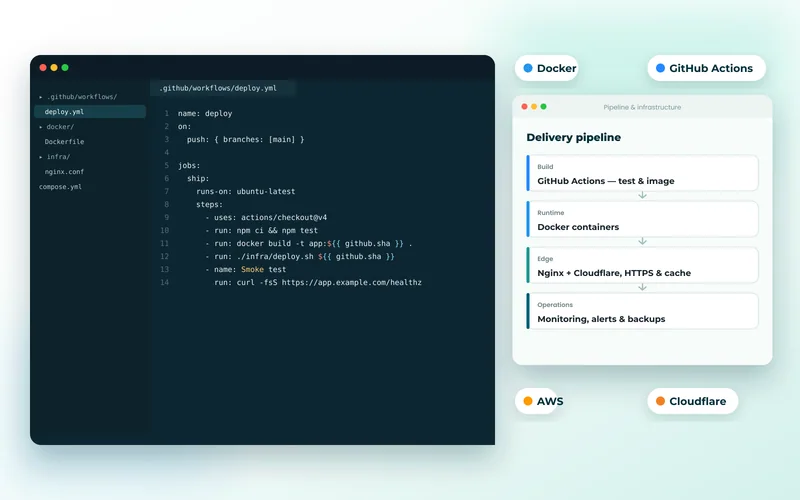
Reliable Deployments, Sized to Your Actual Load
“It works on my machine” stops being funny when a deployment takes the site down on a Friday evening. Docker fixes that by shipping the application with everything it needs; Kubernetes takes it further by keeping the right number of copies running, replacing any that fail, and rolling out new versions without downtime.
We containerise existing applications — PHP, Node, Python, Java, .NET — build the pipelines that test and deploy them, and set up Kubernetes clusters on AWS, Azure, Google Cloud or your own servers only when the workload justifies it. Many projects are best served by Docker on a single well-run server, and we will say so.
What’s Included
What We Do With Containers
Containerising Existing Apps
Dockerfiles and Compose stacks for your application, database, cache and workers, matching production to development exactly.
CI/CD Pipelines
GitHub Actions, GitLab CI or Bitbucket pipelines that run tests, build images, scan them and deploy on merge with one-click rollback.
Kubernetes Cluster Setup
Managed EKS, AKS or GKE clusters, or k3s on your own hardware: ingress, TLS, storage, secrets and namespaces configured properly.
Autoscaling & Zero-Downtime Releases
Horizontal scaling on real metrics, rolling and blue-green deployments, health checks and resource limits that stop one service starving another.
Monitoring & Alerting
Prometheus, Grafana and log aggregation so you see problems before customers do, with alerts routed to the right people.
Cost & Right-Sizing Reviews
Clusters and node pools sized to measured usage; over-provisioned workloads brought back down to what they actually need.
Benefits
What You Get From Doing This Properly
- Deployments that take minutes, run the tests first, and can be rolled back in one command.
- Identical environments for development, staging and production — the end of surprise differences.
- Services that recover on their own when a process crashes or a node fails.
- Honest advice on whether you need Kubernetes at all; a lot of workloads do not.
- Everything defined in code and handed over, so your team can run it without us.
Technologies Used for Docker & Kubernetes
We recommend the right tools for your goals, budget and team — never a one-size-fits-all stack.
Discuss Your ProjectHow We Work
Our Docker & Kubernetes Process
Discovery & Consultation
We learn about your business, audience and goals, review any existing website and agree on clear success criteria.
Strategy & Planning
We define the sitemap, features, technology stack and timeline, so scope and budget are clear before work begins.
UI/UX Design
We design wireframes and polished, responsive layouts for your approval, focused on usability and conversions.
Development
We build with clean, standards-based code, integrate your tools and set up an easy-to-use content editor.
Testing & QA
We test functionality, speed, security, accessibility and SEO across browsers and devices before launch.
Launch & Support
We deploy, monitor and fine-tune your site, then provide ongoing maintenance and support as you grow.
FAQ
Docker & Kubernetes FAQs
Do we need Kubernetes?
Only if you run several services that need to scale independently, have strict uptime requirements, or deploy many times a day. A single application with steady traffic is usually better and cheaper on Docker Compose on one or two servers. We recommend based on your load, not the fashion.
Can you containerise a legacy PHP or .NET application?
Yes. Most applications can be containerised without code changes; the work is in configuration, file storage, sessions and background jobs. We do it on a copy first and test against real data.
Will our deployments still work if you are not around?
Yes. Pipelines, cluster configuration and infrastructure are all in version control with documentation, and we walk your team through them. Ongoing support is available but never required.
Which cloud is best for Kubernetes?
All three major clouds offer solid managed Kubernetes. The choice usually follows where your data and other services already live, your credits, and your team’s familiarity. We work with all of them.
Explore More
More Cloud, Data & AI Services
Technologies and services that work well alongside docker & kubernetes.
Cloud Hosting & DevOps
AWS, Azure, Google Cloud and DigitalOcean setup, Docker and Kubernetes, CI/CD pipelines, Nginx tuning, monitoring, backups and cost optimisation.
Database Development
Schema design, query and index tuning, migrations and search infrastructure across MySQL, PostgreSQL, MongoDB, Redis and Elasticsearch.
AI Integration & LLM Development
Practical AI in your product — assistants, document understanding, search over your own content, and OCR or classification pipelines built with Python and modern LLM APIs.
Hosting, Server & DNS Management
Nginx, Apache, Docker and cloud servers configured, secured and kept running — plus DNS, SSL and Cloudflare set up correctly the first time.
Case Studies & Live Demos
Docker & Kubernetes in Practice
Projects where this work made a measurable difference — the problem, what we built and the results. Each one has a working demo you can try.

- Docker
- Kubernetes (GKE)
- Helm
Cloud & DevOps
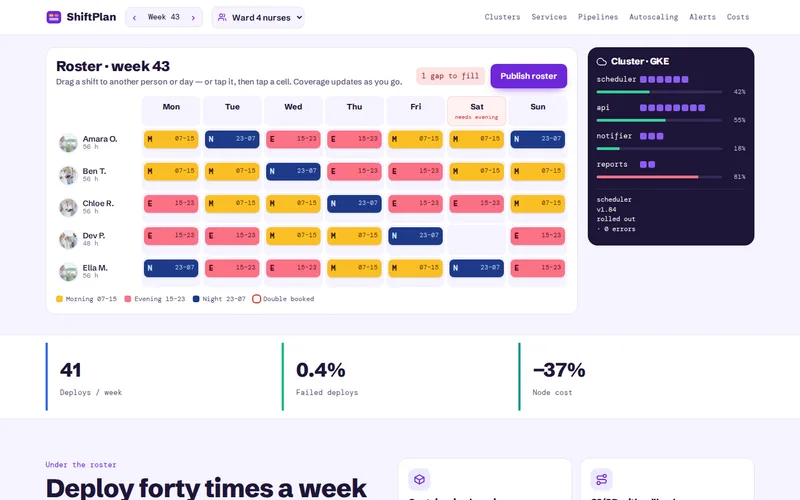
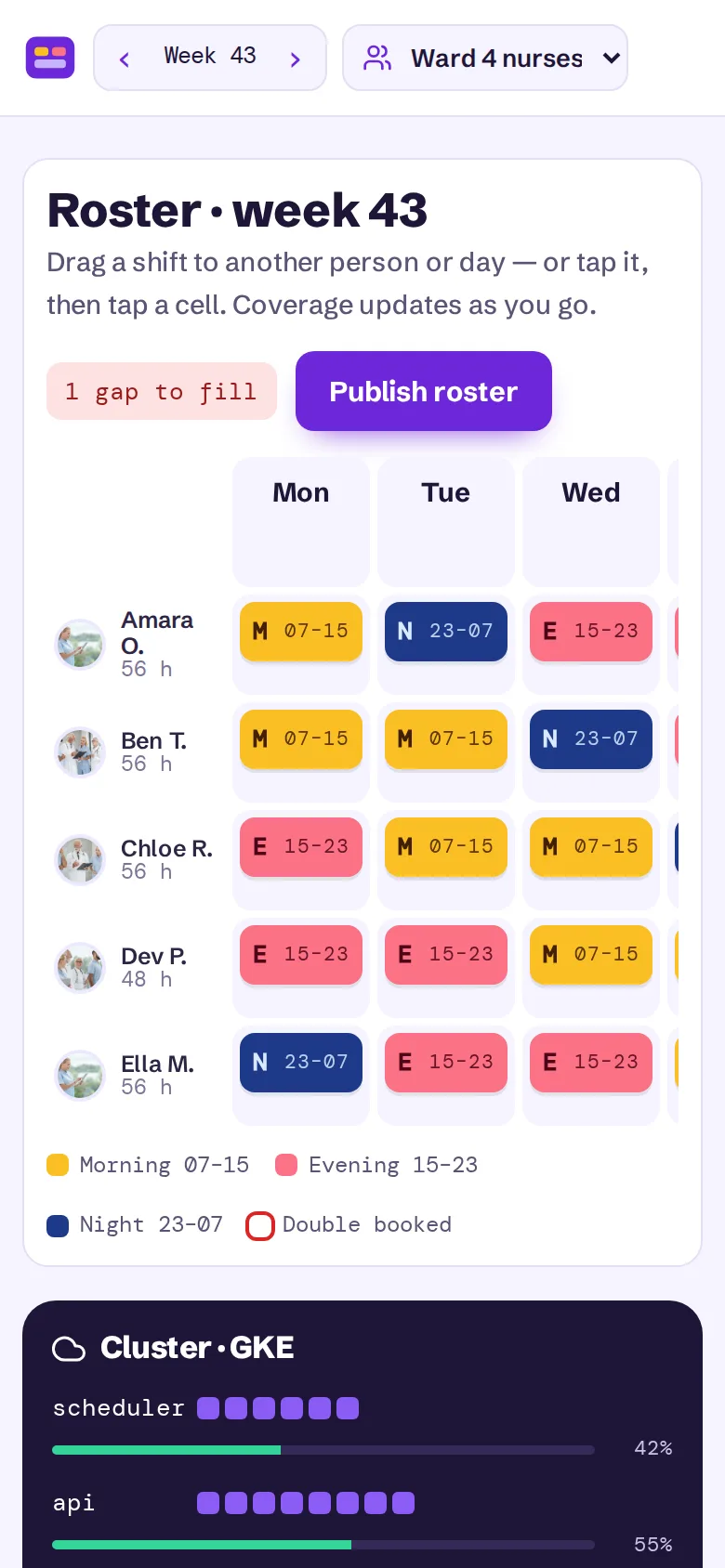
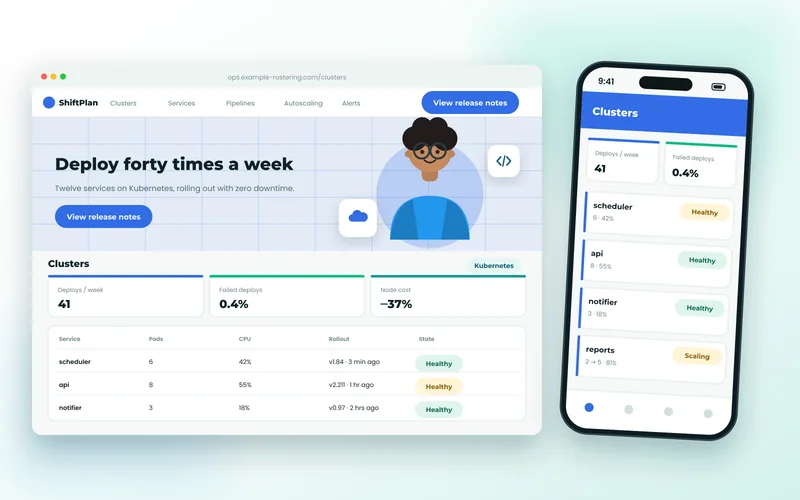
Kubernetes Deployment Platform for a Rostering SaaS
Twelve services moved from hand-managed virtual machines to Kubernetes with CI/CD, autoscaling and zero-downtime releases — forty deployments a week instead of one.

- Docker
- GitHub Actions
- Nginx
Cloud & DevOps
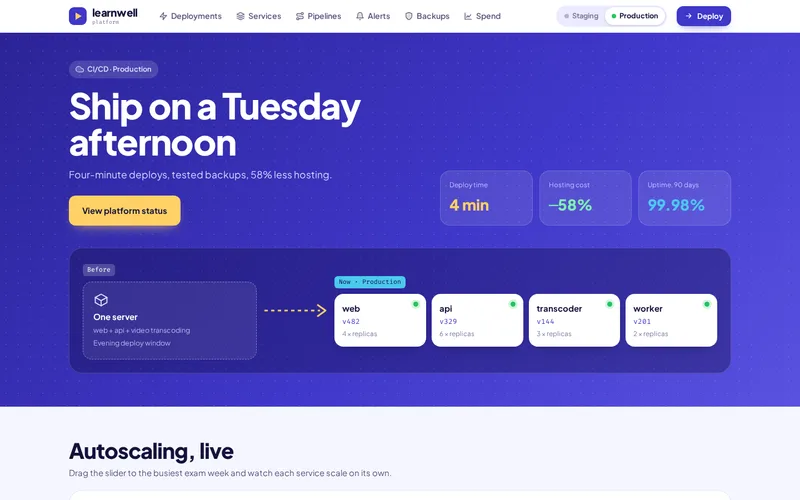
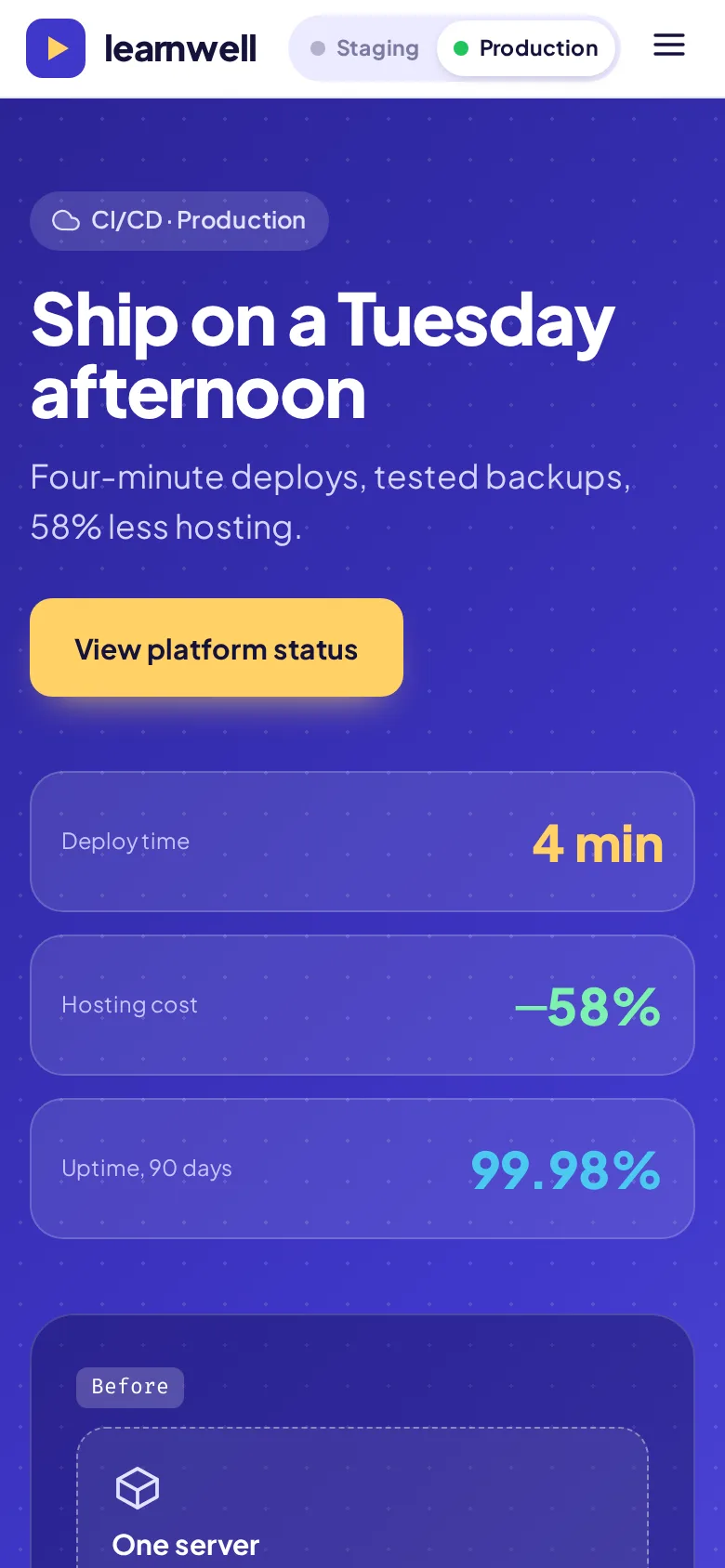
Learning Platform Cloud Migration
A containerised rebuild of a fragile single-server deployment: 4-minute releases and 58% lower hosting cost.

- Java 21
- Spring Boot
- Spring Batch
Enterprise Integration
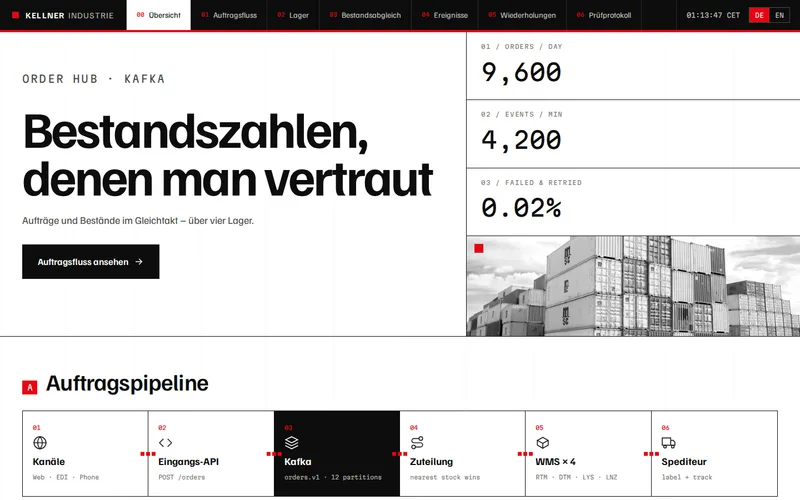
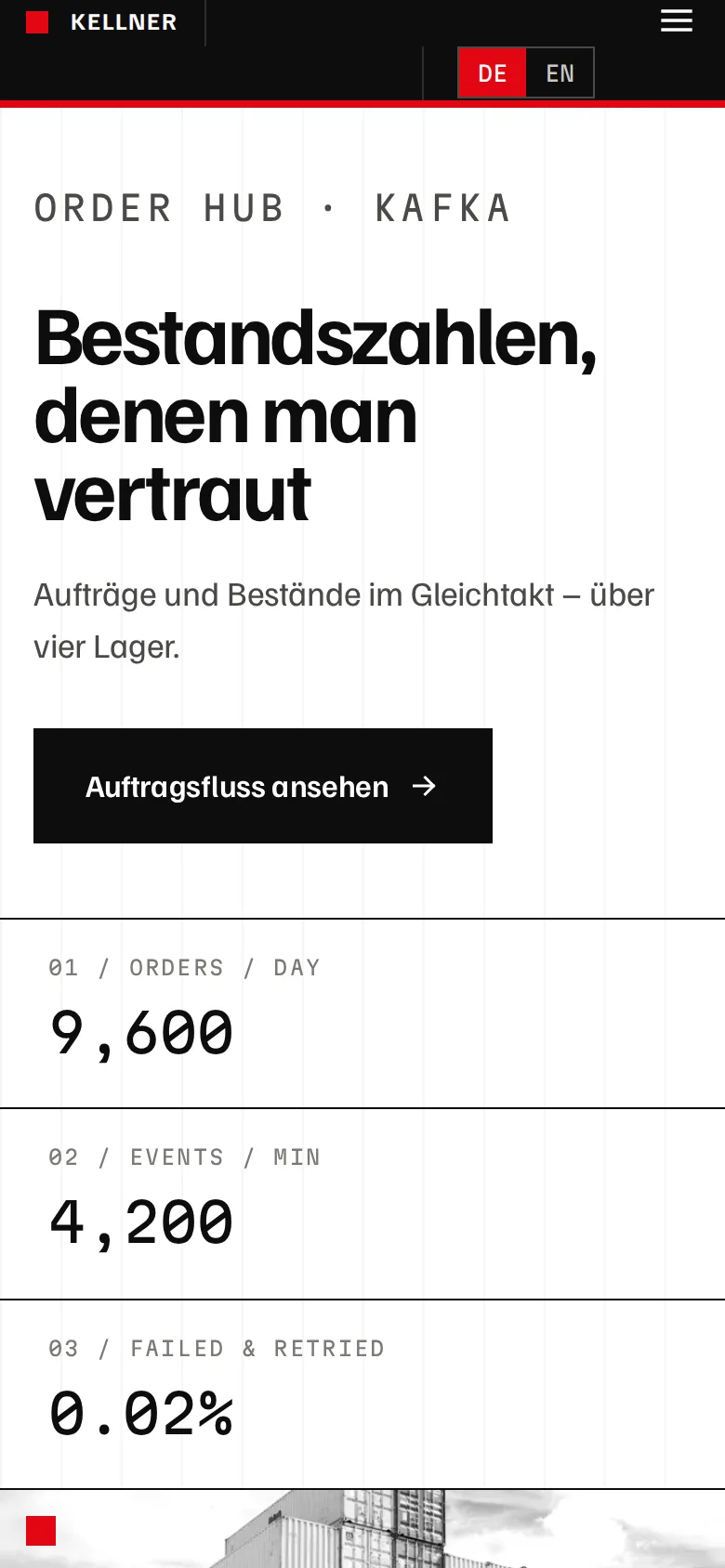
Warehouse Order Service & Event Integration
A Spring Boot order service processing 9,600 orders a day across four warehouses, with event-driven stock sync.

- Elixir
- Phoenix Channels
- Go
Real-Time Web Platform
Live Auction Bidding Platform
An Elixir and Go platform holding 11,000+ concurrent bidders per sale with bid latency measured in milliseconds.

- CodeIgniter 2 → 3
- PHP 8.3
- Laravel 11
Legacy PHP Modernisation
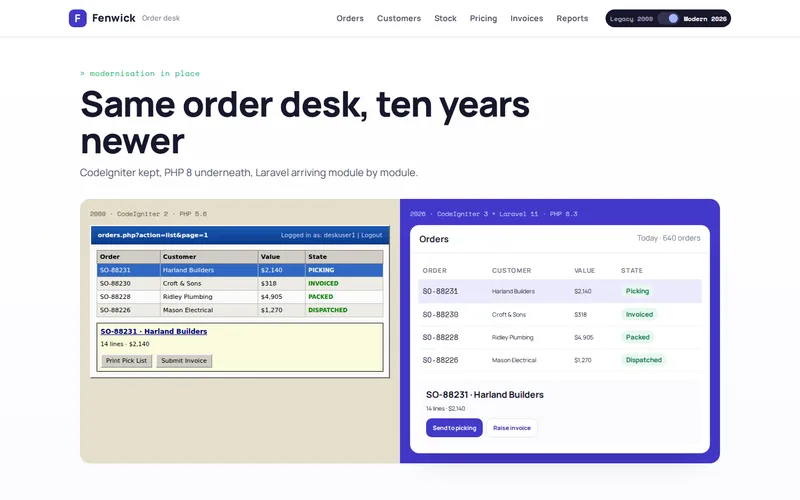
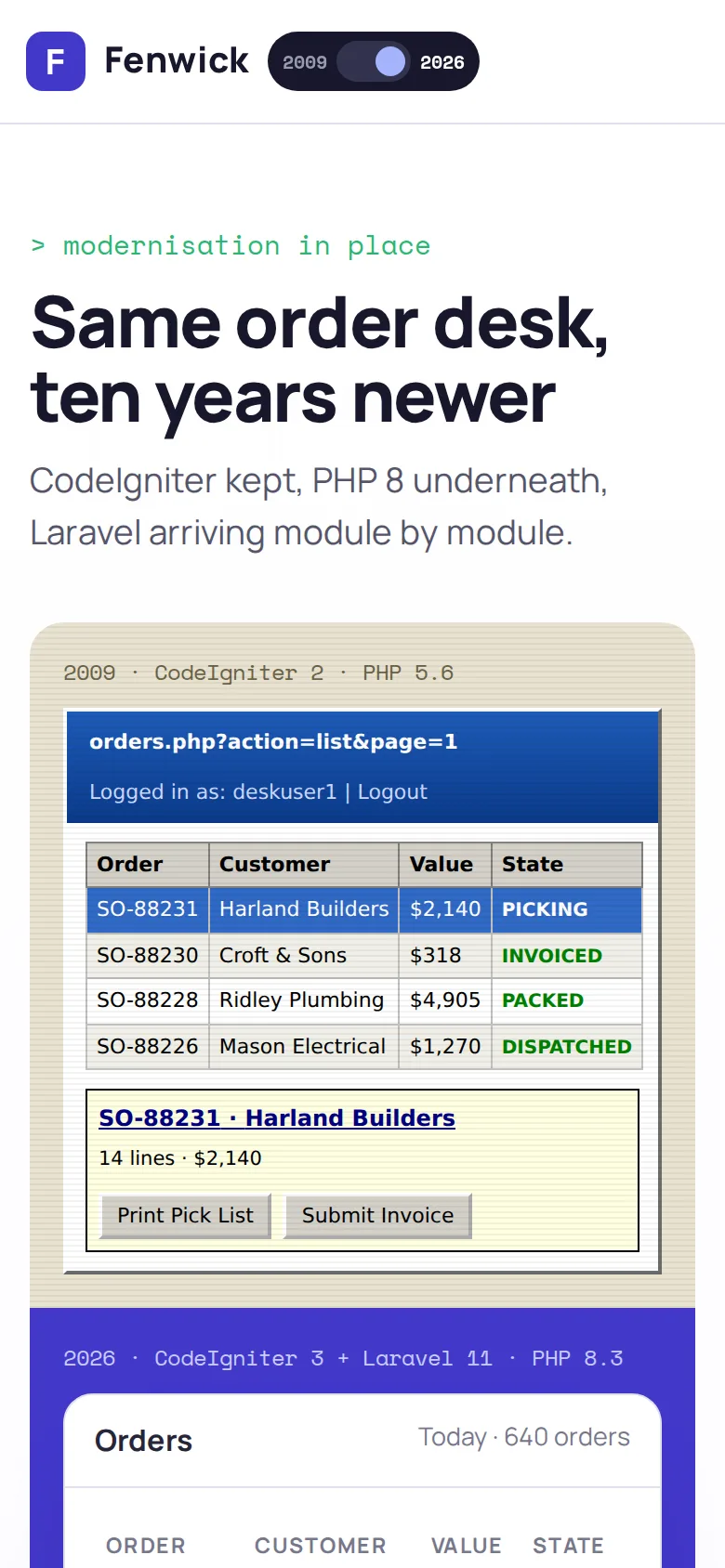
Trade Supplier Order Desk: CodeIgniter Upgrade & Laravel Migration
A ten-year-old CodeIgniter order desk brought onto PHP 8, made fast again, and moved to Laravel one module at a time without a day of downtime.

- NestJS
- TypeScript
- Kafka
Backend API Development
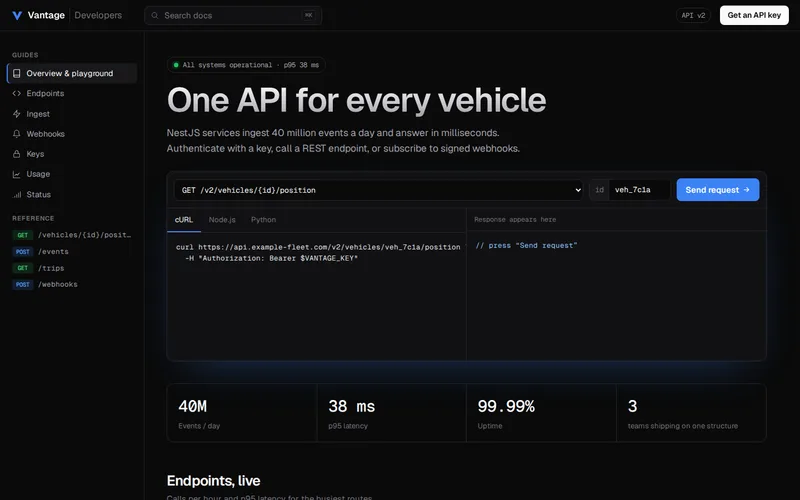
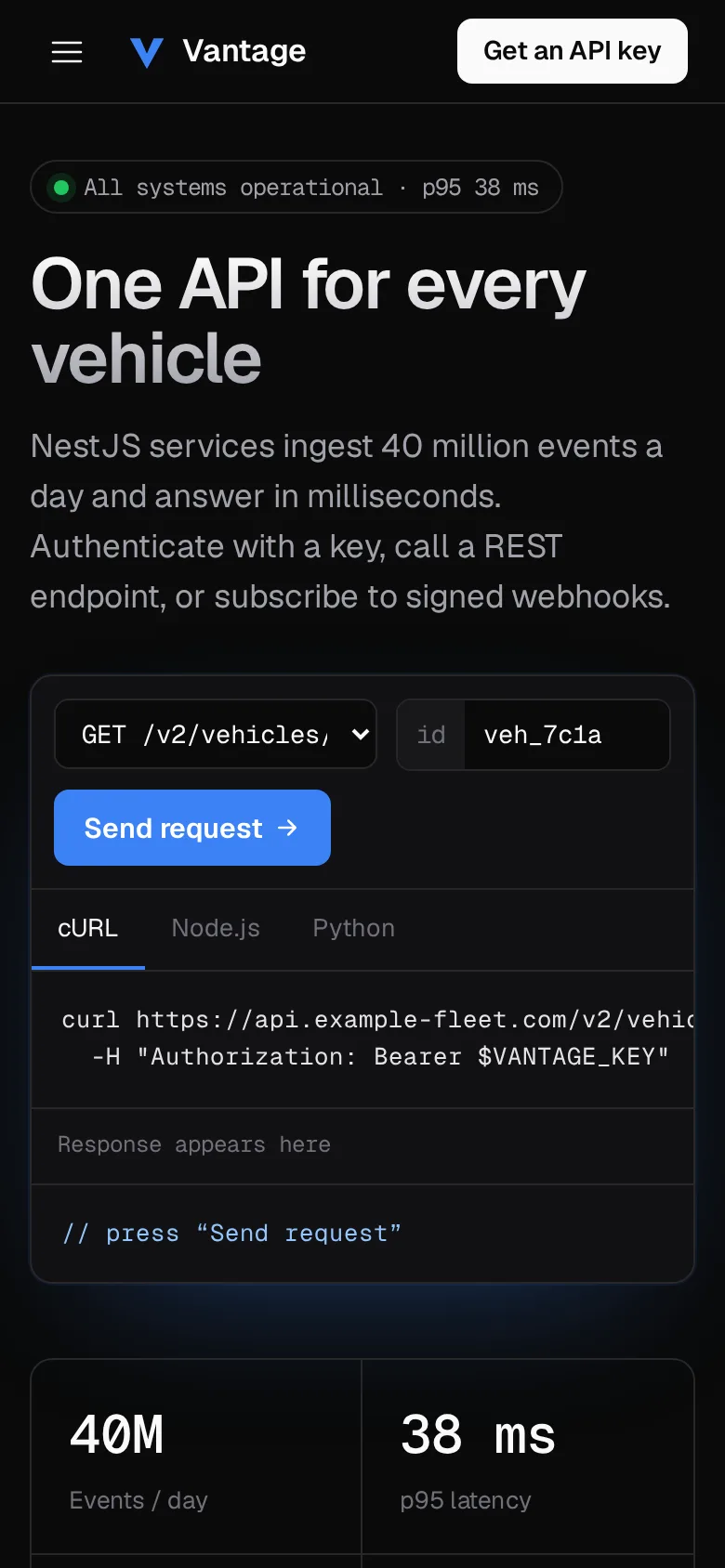
Fleet Telematics API Platform on NestJS
A NestJS API platform that ingests 40 million vehicle events a day and serves partners, dashboards and mobile apps from one documented interface.


From the Blog
Guides and Comparisons Worth Reading
Straight answers on when this technology is the right choice, what it costs and how to get the most from it.

Zero-Downtime Deployments for a SaaS on Kubernetes: Health Checks, Migrations and Rollbacks
Kubernetes can roll out a new version without anyone noticing, but only if the application cooperates. Here is what makes releases invisible to users: honest health checks, graceful shutdown, database migrations that both versions can live with, and rollbacks you have actually tested.
Do You Actually Need Kubernetes? An Honest Guide for Growing Products
Kubernetes solves real problems for products with many services and real scaling needs. For everyone else it is an expensive way to run three containers. Here is how to tell which you are.
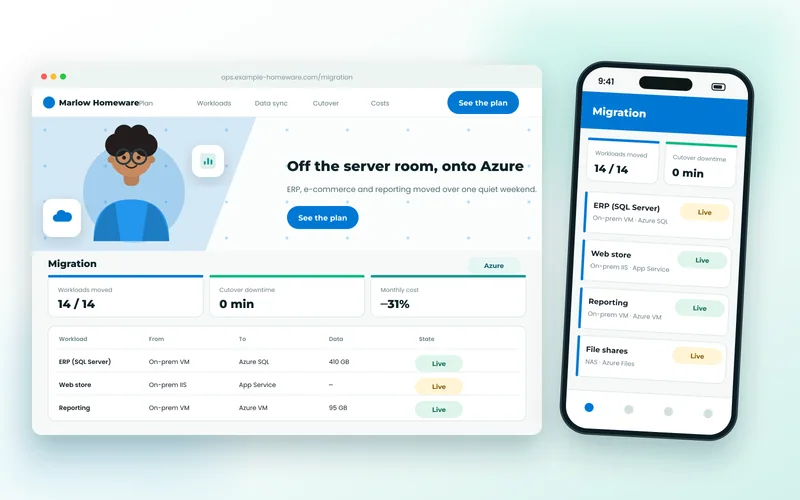
Cloud Migration Checklist: Moving to AWS, Azure or Google Cloud Without Downtime
The migrations that go wrong skip the same steps every time. Here is the checklist we use to move websites, applications and databases to the cloud with a rehearsed cutover and a predictable bill.
Docker & Kubernetes Enquiry
Tell Us About Your Deployment
What you run, where it runs today and what is going wrong tell us where to start.
- Reply within 24 hoursA real person reviews every request.
- Free consultationHonest advice, no obligation.
- 100% confidentialHappy to sign an NDA.
- We review your requirements
- We reply with questions or a call slot
- You receive a clear, itemised proposal